
How to Mix Epoxy Resin Correctly (Step-by-Step)
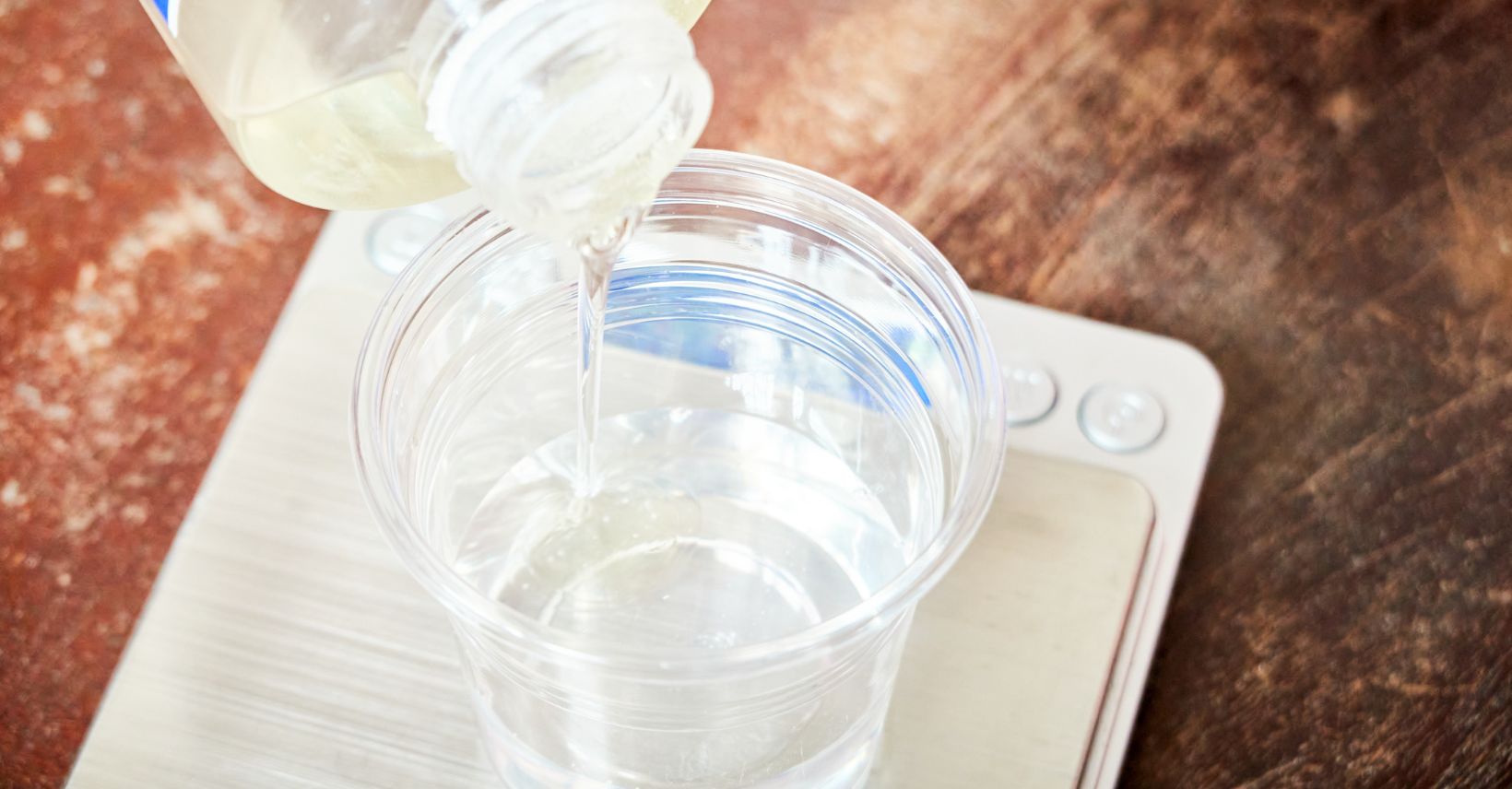
Sticky spots and soft cures usually come down to mixing. Follow this step-by-step method for a reliable, bubble-free mix.
Why Mixing Matters
Most resin problems — sticky patches, soft spots, cloudy cure — trace back to mixing. The resin-to-hardener reaction only completes when the ratio is right and the two parts are blended fully.
What You Need
- Measuring cups with clear markings (or a digital scale if your product specifies weight)
- A flat-bottomed mixing stick or paddle
- Nitrile gloves and a ventilated workspace
- Your resin, hardener and planned pigments
Step-by-Step
1. Measure accurately. Follow the ratio for your exact product — commonly 2:1 or 3:1 by volume. Do not eyeball it. Do not add extra hardener 'to make it harder' — that actually weakens the cure.
2. Combine and mix slowly. Scrape the full contents into a clean cup. Mix steadily for the time your product specifies (often 3–5 minutes), scraping the sides and bottom continuously.
3. Scrape the walls and stick. Unmixed resin hiding on the walls or stirrer is a classic source of sticky streaks.
4. Transfer and mix again (double-cup method). Pour the mix into a second cup and stir briefly. This catches residue from the first cup.
5. Add pigments last. Mix colours in after the base is fully blended, and keep additive amounts within the product's guidance.
6. Pour within the working time. Once mixed, the clock is running. Pour before the resin thickens.
Signs of a Bad Mix
- Sticky or wet spots after curing → under-mixed or mis-measured
- Rapid smoking/heating in the cup → too much hardener or too large a mixed volume
- Cloudiness → moisture contamination or cold resin
Pro Tips
- Warm resin (place bottles in warm water briefly) flows and mixes better in winter.
- Mix smaller batches more often rather than one giant batch.
- Use the same cup style every time so your ratio habits stay consistent.
Need help with a specific product's mixing guidance? Contact Aurexa Resin — we support every system we supply.
Need Help Choosing Epoxy Resin?
Tell the Aurexa Resin team about your project — we supply art, casting, table top, deep pour and industrial epoxy resin across India.
Keep Reading
Epoxy Resin for Jewellery Making: A Buyer's Guide
Clarity, bubble control and small-cast handling — what to look for in jewellery resin, plus practical casting tips.
How to Avoid Bubbles in Epoxy Resin
Bubbles are the most common resin frustration. Here is what causes them and the practical fixes that actually work.
How to Choose the Right Epoxy Resin for Your Project
Art, jewellery, table tops or river tables? Use this practical framework to match resin type, pour depth and working time to your project.